
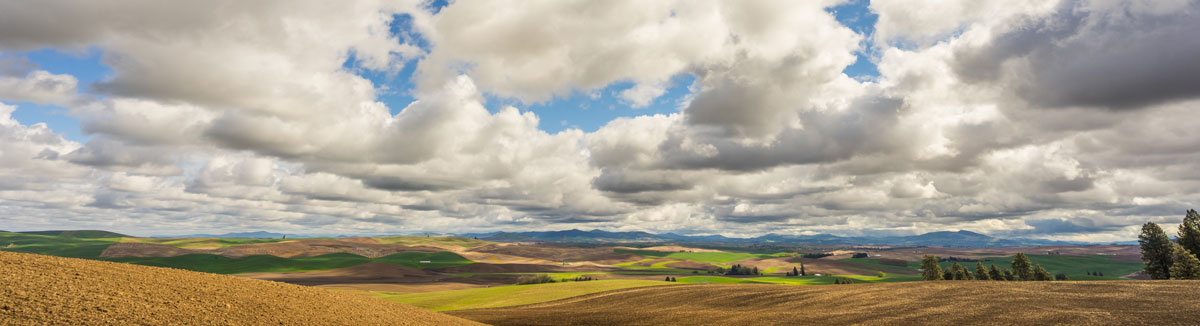
Preface: “What is a farm but a mute gospel?”– Ralph Waldo Emerson
The Best Business Lessons Are Still Found on the Farm: What Every Business Owner Can Learn from Seedtime and Harvest
What do successful businesses and successful farms have in common?
At first glance, not much. One is filled with tractors, fields, and grain bins. The other has conference rooms, computers, financial statements, and customer meetings. Yet beneath the surface, they operate according to the same timeless principle: you cannot harvest what you have not first planted.
Thousands of years ago, long before MBA programs, strategic planning retreats, or business consultants, God established one of the greatest business principles ever recorded. In Genesis 8:22, He declared, “While the earth remains, seedtime and harvest… shall not cease.” Although spoken in the context of agriculture, the principle has remarkable application to every business owner, entrepreneur, and leader. Every thriving business is simply the result of good seeds planted consistently over time.
Perhaps that’s why farming has always fascinated me. Farmers never wake up in October surprised by what grows in their fields. They understand that the harvest is determined months earlier, when they decide what seeds to plant, how well to prepare the soil, and how faithfully they care for the crop. Business works exactly the same way.
Unfortunately, many business owners spend far more time dreaming about the harvest than thinking about the seeds. We want growing revenue, loyal employees, delighted customers, stronger cash flow, and higher profits. Those are wonderful goals—but harvests never appear simply because we wish for them. They are the natural result of decisions made months and often years before.
Every decision you make is planting something.
When you invest in training your employees, you’re planting a future leadership team. When you consistently provide exceptional customer service, you’re planting referrals and long-term relationships. When you improve your systems and technology, you’re planting efficiency. When you communicate honestly with your clients, you’re planting trust. Even your company culture didn’t happen by accident—it grew from seeds that leadership intentionally, or unintentionally, planted over many years.
The opposite is also true. Poor decisions produce harvests as well.
Ignoring employee development eventually produces high turnover. Neglecting customer relationships often results in declining referrals. Delaying necessary investments in technology creates inefficiencies that slowly erode profitability. Cutting ethical corners may create a short-term gain, but almost always produces a painful long-term harvest.
Nature never plays favorites. It simply multiplies whatever is planted.
One of my favorite observations about farmers is that they never become impatient with the growing season. Imagine a farmer planting corn on Monday and digging it up on Friday to see whether it’s growing. We would question his judgment. Farmers understand that healthy growth takes time. They faithfully prepare the soil, plant quality seed, remove weeds, and trust the process.
Business owners, however, often struggle with this principle. We attend one leadership conference and expect our culture to change overnight. We install new software and wonder why efficiency hasn’t immediately improved. We hire a talented employee and become discouraged when they aren’t fully productive after a few weeks. We expect harvests before the growing season has had time to do its work.
The waiting season isn’t wasted time. It’s where the roots are growing.
Every successful company has experienced seasons where progress wasn’t immediately visible. Systems were being developed. Employees were learning. Customer trust was being earned. Brand reputation was slowly taking shape. From the outside, it may have appeared that very little was happening. Underneath the surface, however, something important was taking place. The roots were growing strong enough to support a future harvest.
Another lesson farmers understand exceptionally well is that they never eat all of their seed.
They know that consuming today’s seed means sacrificing tomorrow’s harvest. That’s a lesson many businesses would do well to remember.
Every profitable year brings temptation. Do we distribute every dollar? Do we postpone investments because they reduce this year’s earnings? Or do we intentionally reinvest part of today’s success into tomorrow’s opportunities?
Sometimes your “seed” looks like upgrading technology before it’s absolutely necessary. Sometimes it means investing in leadership development, improving manufacturing space, refining processes, hiring ahead of growth, or strengthening your marketing efforts. None of these investments produce immediate results, but they often become the very reason a business thrives five years later.
Great leaders think like farmers because they understand that today’s decisions shape tomorrow’s opportunities.
As CPAs, we have a unique perspective. Every year we review financial statements that tell the story of a business. Revenue either increased or declined. Gross margins improved or slipped. Cash flow strengthened or weakened. But financial statements don’t just report numbers—they reveal the harvest of thousands of decisions made over many years.
Healthy businesses rarely become healthy by unintentional effort. Behind every balance sheet is a story of seeds planted faithfully—or neglected.
Perhaps that’s why some of the most successful business owners I’ve met possess remarkable patience. They understand that sustainable growth cannot be rushed. They know there are no shortcuts to trust, leadership, culture, or reputation. They are willing to plant today for a harvest they may not fully enjoy until years into the future.
Imagine how different our businesses might look if we evaluated every major decision through a farmer’s perspective.
Instead of asking, “What will this cost me today?” we might ask, “What harvest could this produce five years from now?”
Instead of asking, “How quickly will I see a return?” we might ask, “Is this the right seed to plant?”
Instead of focusing exclusively on quarterly results, we might spend more time cultivating the conditions that create long-term success.
The beauty of the principle of seedtime and harvest is that it offers both encouragement and responsibility. If today’s harvest is disappointing, tomorrow’s harvest can be different because today’s seeds can be different. Every sunrise offers another opportunity to plant wisely — experienced farmers also know that only God knows what will be gathered in at harvesttime.
The next time you walk past a farm, remember that you’re looking at more than fields of corn or soybeans. You’re seeing one of God’s greatest illustrations of how success works—not only in agriculture, but in business and in life. “Do not be deceived: God is not mocked, for whatever one sows, that will he also reap.” — Galatians 6:7
The harvest never comes first. It never has. It never will. Great businesses, like great farms, are built one faithful harvest season at a time.

